One of the most versatile elements you can introduce into your outdoor space is gravel. This unassuming material, often associated with driveways or paths, offers an array of possibilities that can transform your garden into a serene and stylish retreat. Whether you aim for practicality, aesthetics, or both, gravel can cater to all your landscaping needs.
Benefits of Using Gravel in Landscaping
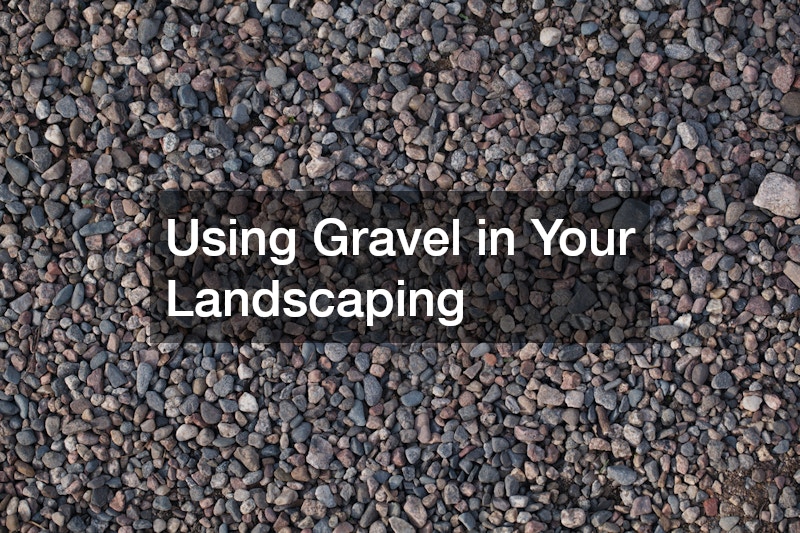
Gravel provides numerous benefits when used in landscaping. Its natural look complements any garden aesthetic, seamlessly fitting into rustic, modern, or traditional settings. Gravel is also cost-effective compared to paving stones or concrete and is easy to install, saving you both time and money. Additionally, the material is excellent for drainage, preventing water from pooling on your property, which can be crucial in maintaining a healthy garden environment. In climates where water conservation is important, gravel can help reduce evaporation and maintain soil moisture.
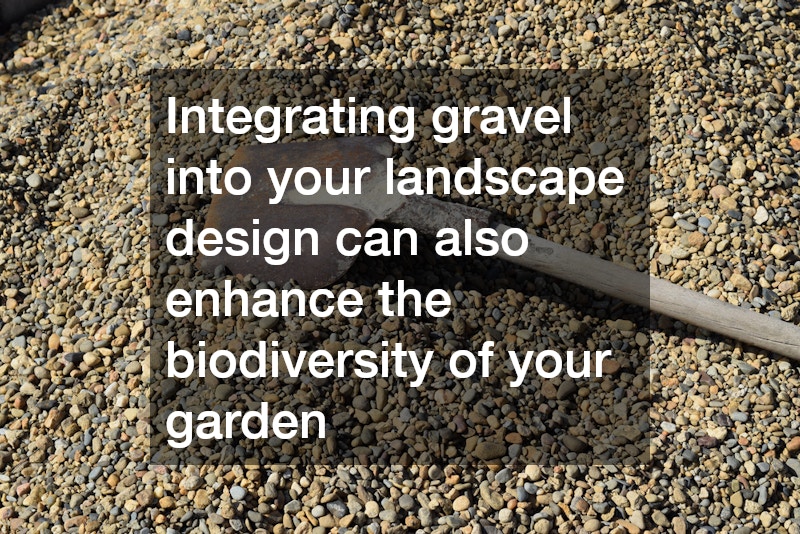
Integrating gravel into your landscape design can also enhance the biodiversity of your garden. By using gravel as mulch around plants and trees, you can create a habitat for beneficial insects. The textured surface of gravel encourages water infiltration rather than runoff, which helps in recharging groundwater supplies in environmentally conscious designs. Furthermore, gravel pathways or borders can define spaces within a garden, providing a clean and organized look that also contributes to reducing weed growth. By reducing areas of exposed soil, you help minimize erosion and sediment pollution.
Maintenance is another area where gravel proves its worth. Unlike organic mulch, gravel does not decompose, meaning it can last for years without needing to be replaced. This durability makes it an attractive option for those seeking low-maintenance garden solutions. Moreover, gravel does not fade under the sun or suffer damage from pests, ensuring that your investment remains intact over time. By choosing gravel, you’re opting for a sustainable and long-lasting landscape element that works well alongside other sustainable practices.
Creative Ways to Incorporate Gravel
As versatile as it is practical, gravel can be used creatively within your landscaping to stunning effect. One way to incorporate gravel is by creating a Zen garden, where its simplistic beauty can evoke tranquility. The act of raking the gravel into patterns can be meditative, adding both a touch of art and mindfulness to your garden. Additionally, gravel can be used in contemporary landscape designs as a base to showcase plants or sculptures. It provides a neutral background that allows other features to stand out.
Another innovative use for gravel is in garden borders and edging. By choosing different colors and sizes, you can add dimension and visual interest to your flowerbeds and pathways. Combining gravel with larger stones or boulders can create contrast and add a natural yet structured element to your landscape design. Whether you are highlighting plant arrangements or defining the boundary of a patio, gravel acts as a versatile companion to other materials. You can personalize your space using gravel in varied shades, from deep reds to pale yellows.
For those who love DIY projects, gravel allows for endless opportunities to experiment. You can create stepping stone paths embedded in gravel for a quaint cottage garden feel. Alternatively, try designing intricate mosaics or patterns using colored gravel to add flair and personality to your driveway or garden patio. Incorporating lights along gravel pathways not only enhances safety but also transforms the space into a magical evening retreat. By utilizing gravel creatively, you can express your unique style and elevate the look of your outdoor area.
Selecting the Right Type of Gravel
Choosing the appropriate type of gravel is crucial to the success of your landscaping project. Different types of gravel serve different purposes and aesthetics. Pea gravel, for example, is smooth and rounded, often used for walkways and pet-friendly spaces due to its gentle feel underfoot. In contrast, crushed stone is more angular and tends to lock together, making it an ideal choice for driveways and areas with heavy foot traffic. Understanding the benefits and limitations of each type helps ensure that you select the most suitable gravel for your specific needs.
Consider the size and color of the gravel, as these elements play a significant role in defining the visual appeal of your landscape. Smaller gravel, such as decomposed granite, can provide a solid, compact surface perfect for patios and walkways. Larger gravel can add texture and depth when used in water features or dry riverbeds. The color of the gravel can complement other aspects of your home’s exterior, establishing a harmonious and inviting look. Opting for a cohesive color palette can enhance the aesthetic beauty of your yard.
Lastly, pay attention to the functional attributes of the gravel you choose. If your garden is sloped, angular gravel like crushed rock can help prevent erosion and offer stability due to its interlocking nature. In areas where drainage is a priority, a larger size gravel may be more effective at allowing water to percolate through. By evaluating the practical and aesthetic needs of your garden, you can make informed decisions that maximize the impact and functionality of gravel in your landscaping projects.